

William Shatner’s portrayal of Captain James T. Kirk in the Star Trek franchise was groundbreaking, as he portrayed Kirk as a complex and flawed individual. Shatner’s ability to show Kirk’s vulnerabilities, emotional range and imperfections helped to create a well-rounded, relatable and realistic character. Kirk’s charismatic and confident leadership style, as well as his portrayal as a complex individual, contributed to the popularity of the series and helped to make it a cultural phenomenon.
Charismatic and Confident Leadership of the Character
Captain James T. Kirk, the iconic character played by William Shatner in the Star Trek franchise, is known for his charismatic and confident leadership style. As the captain of the USS Enterprise, Kirk commands a diverse crew on their mission to explore new worlds and civilizations.
Kirk’s leadership style is characterized by his ability to make quick and decisive decisions, even in the face of danger. He is a natural leader who inspires and motivates his crew to push the boundaries of what is possible. He is also known for his willingness to take risks, which is what makes him so effective as a leader.
One of the key traits of Kirk’s leadership style is his ability to inspire others. He is able to rally his crew to achieve the impossible, and he is not afraid to lead by example. He is a hero who is willing to put himself in harm’s way to protect his crew and his ship.
Kirk’s leadership style also influenced the portrayal of masculinity in science fiction. He was one of the first characters to break away from the traditional stereotypes of strong, stoic men. Instead, he was portrayed as a complex and flawed individual, with a range of emotions and vulnerabilities. This type of portrayal was groundbreaking for its time and had a lasting impact on the representation of masculinity in media.
In conclusion, Captain James T. Kirk’s charismatic and confident leadership style is one of the reasons why the Star Trek franchise is so popular and enduring. William Shatner’s portrayal of the character helped to create a leader who is both relatable and aspirational. Kirk’s leadership style continues to inspire fans and creators alike, making him one of the most iconic leaders in science fiction.
Captain T Kirk’s Portrayal of Masculinity
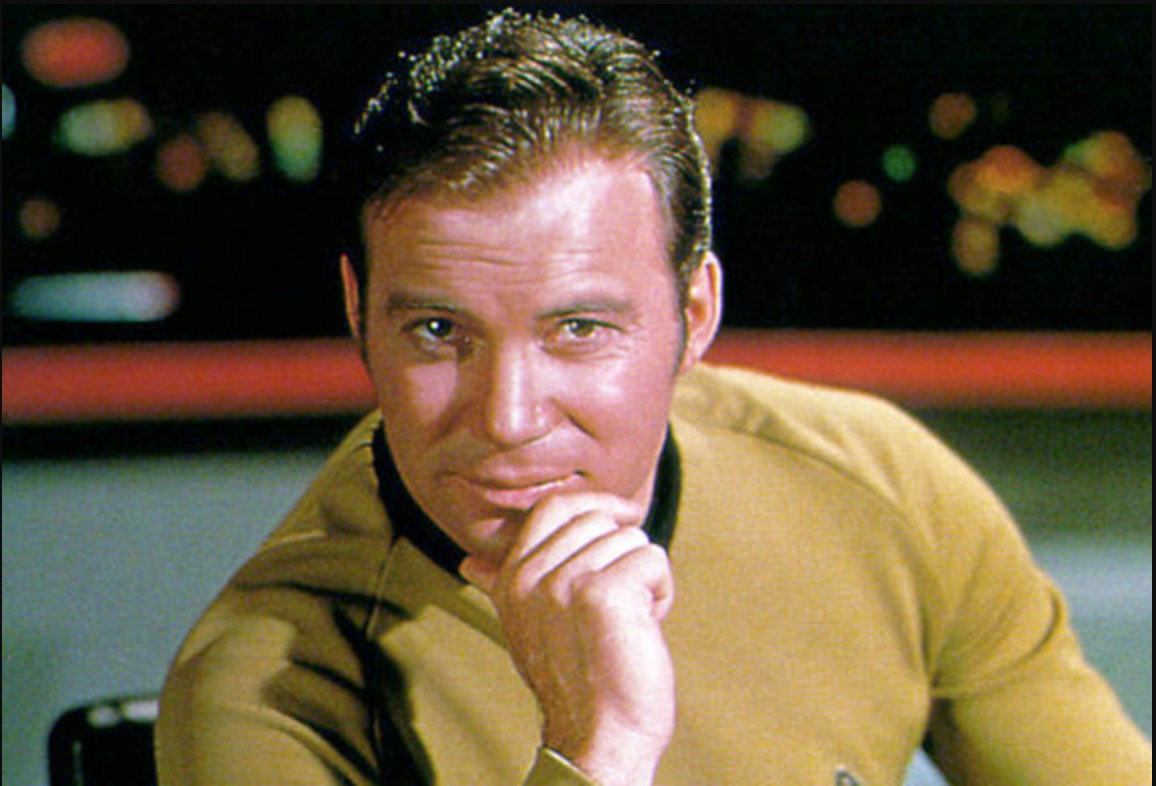
Captain James T. Kirk is one of the most iconic characters in science fiction history, played by William Shatner. His portrayal as the captain of the USS Enterprise in the Star Trek franchise significantly impacted the portrayal of masculinity in science fiction.
Traditionally, science fiction characters were portrayed as strong, stoic men who were often emotionless and unapproachable. Kirk broke away from this stereotype by being portrayed as a complex and flawed individual. He was not afraid to show vulnerability and express a range of emotions. This type of portrayal was groundbreaking for its time and set a new standard for the representation of masculinity in media.
Kirk’s character also showed that it is possible to be a strong and decisive leader while also being compassionate and empathetic. He was able to inspire and motivate his crew while also showing care and concern for their well-being. This type of leader was a refreshing change from the traditional portrayal of strong, emotionless leaders in science fiction.
In addition, Kirk’s portrayal as a charismatic and confident leader also contributed to the popularity of the Star Trek franchise. He commanded the respect of his crew and audiences alike, making him a character that people could look up to and aspire to be like.
In conclusion, Captain James T. Kirk’s portrayal in the Star Trek franchise significantly impacted the portrayal of masculinity in science fiction. His portrayal as a complex, flawed, and relatable individual helped to break away from traditional stereotypes and set a new standard for the representation of masculinity in media. His charismatic and confident leadership style also contributed to the popularity of the Star Trek franchise, making him one of the most iconic leaders in science fiction.
Character as Complex and Flawed Individual
William Shatner’s portrayal of Captain James T. Kirk in the Star Trek franchise was groundbreaking for its time, as he portrayed Kirk as a complex and flawed individual. The character of Kirk was not a one-dimensional, emotionless leader but rather a fully-realized, multi-faceted person.
One of the key aspects of Shatner’s portrayal of Kirk was his ability to show Kirk’s vulnerabilities and insecurities. Kirk was not always confident in his decisions and sometimes struggled with self-doubt. This made him relatable and helped to humanize the character, making him more accessible to audiences.
Another important aspect of Shatner’s portrayal was his ability to show Kirk’s emotional range. Kirk was not afraid to express a range of emotions, from anger and frustration to compassion and love. This helped to create a well-rounded character who was not just a leader, but also a person with real feelings and emotions.
Kirk’s character was also complex in the sense that he was not always the perfect leader. He made mistakes and sometimes acted impulsively. This added depth to the character and helped to make him more realistic.
In addition, Shatner’s portrayal of Kirk contributed to the popularity of the Star Trek franchise. The character of Kirk was relatable and aspirational, making him a hero that people could look up to and admire.
In conclusion, William Shatner’s portrayal of Captain James T. Kirk as a complex and flawed individual was groundbreaking for its time. Shatner’s ability to show Kirk’s vulnerabilities, emotional range and imperfections helped to create a well-rounded, relatable and realistic character. The portrayal of Kirk as a complex and flawed individual helped to make the Star Trek franchise more accessible to audiences and contributed to its enduring popularity.
Kirk’s Character on Star Trek’s Cultural Significance and Lasting Impact

William Shatner’s character is one of the most iconic characters in the Star Trek franchise, and his impact on the series’ cultural significance and lasting impact is undeniable.
One of the key aspects of Kirk’s character that contributed to the cultural significance of Star Trek was his charismatic and confident leadership style. He was a natural leader who was able to command the respect of his crew and audiences alike. His leadership style was a major factor in the popularity of the series, and it continues to inspire fans and creators to this day.
Another aspect of Kirk’s character that contributed to Star Trek’s cultural significance was his portrayal as a complex and flawed individual. Kirk was not a one-dimensional, emotionless leader but rather a fully-realized, multi-faceted person. This helped to make the character relatable and accessible to audiences, which in turn helped to make the series more popular.
Kirk’s character also had a lasting impact on the portrayal of masculinity in science fiction. He broke away from traditional stereotypes of strong, stoic men and set a new standard for the representation of masculinity in media. His portrayal as a relatable, flawed, and complex individual helped to change the way audiences view male characters in science fiction.
In addition, Kirk’s character has had a lasting impact on the Star Trek franchise, as well as on popular culture as a whole. The character of Kirk and the series have become a cultural phenomenon, and the series continues to inspire new generations of fans.
In conclusion, Captain James T. Kirk’s character has had a significant impact on the cultural significance and lasting impact of the Star Trek franchise. His charismatic and confident leadership style, portrayal as a complex and flawed individual, and contribution to the portrayal of masculinity in science fiction made him an iconic and enduring character in the series and popular culture as a whole.
Kirk’s Influence on Fanbase
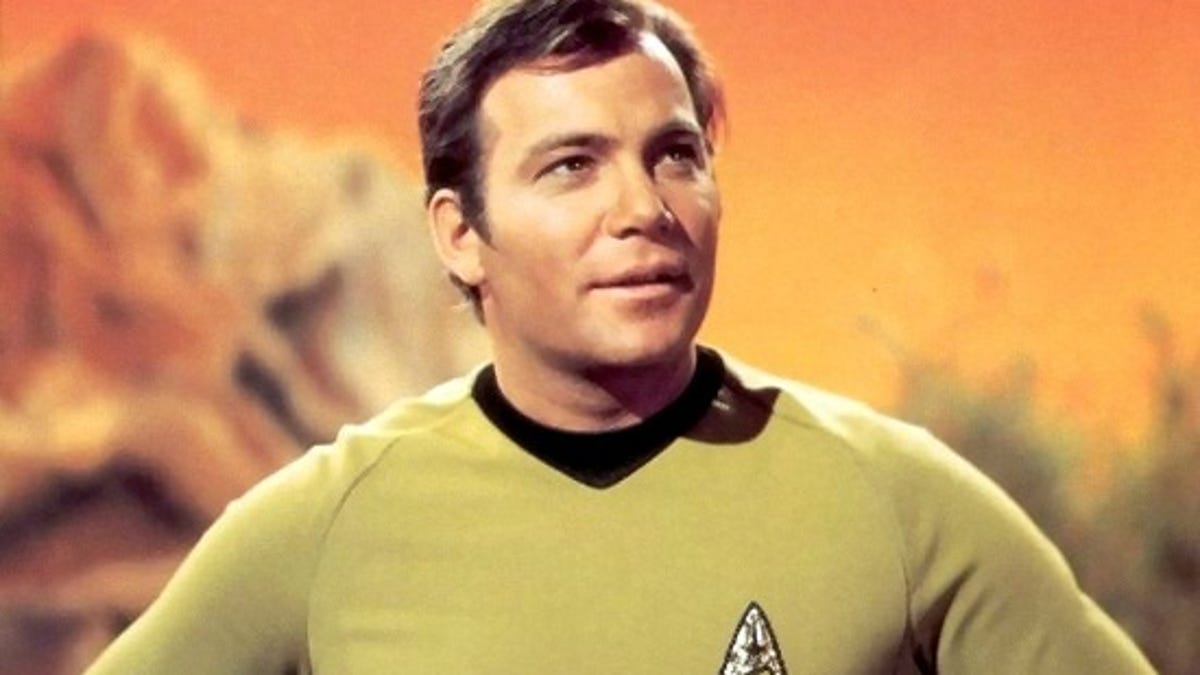
Captain James T. Kirk, played by William Shatner, and the character’s influence on the fanbase and fan culture are undeniable.
One of the key aspects of Kirk’s character that contributed to his influence on the fanbase was his charismatic and confident leadership style. He was a natural leader who was able to command the respect of his crew and audiences alike. This made him an ideal character for fans to look up to and admire, which helped to create a strong fanbase for the series.
Another aspect of Kirk’s character that contributed to his influence on the fanbase was his portrayal as a complex and flawed individual. Kirk was not a one-dimensional, emotionless leader but rather a fully-realized, multi-faceted person. This helped to make the character relatable and accessible to audiences, which in turn helped to create a fanbase that was invested in the character and the series.
Kirk’s character also had a significant influence on the fan culture of Star Trek. The series has a dedicated fanbase that includes fans who have been with the series since its inception, as well as new fans who have discovered the series through later iterations. Kirk’s character has been an important part of this fan culture, and he continues to inspire fans to create fan fiction, art, and cosplay.
In addition, Kirk’s character has played a significant role in shaping the image of the strong, confident leader in science fiction. His portrayal as a charismatic and decisive leader continues to inspire fans and creators alike and has become an integral part of the Star Trek fanbase and fan culture.
In conclusion, Captain James T. Kirk’s character has had a significant influence on the fanbase and fan culture of Star Trek. His charismatic and confident leadership style, portrayal as a complex and flawed individual, and his role in shaping the image of the strong, confident leader in science fiction, have helped to create a dedicated fanbase that continues to be invested in the character and the series.
 Trending New Movies