
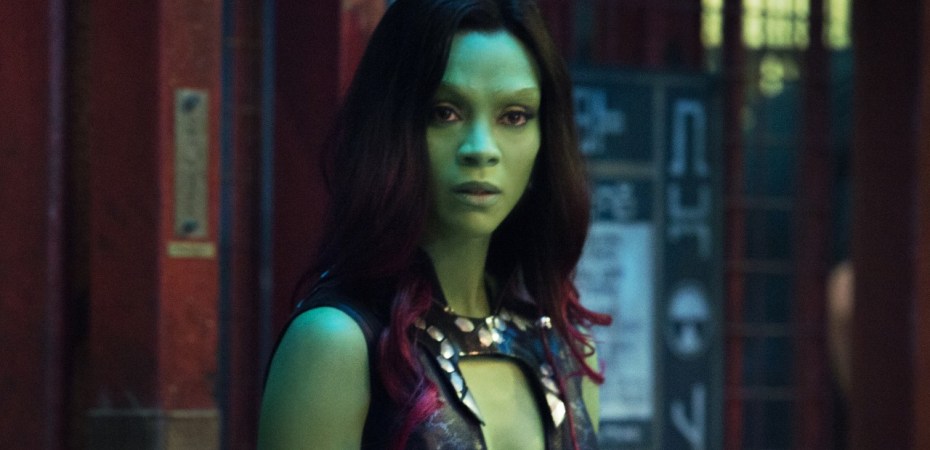
Zoe Saldana’s portrayal of Gamora in the Marvel Cinematic Universe (MCU) has had a significant impact on the overall tone and themes of the films. Her portrayal of the character’s emotional growth, vulnerability, and selflessness has added depth and complexity to the films and helped to explore key themes of the franchise such as found family, redemption, and sacrifice. Saldana’s casting and portrayal of Gamora is also a representation of Hollywood’s long-standing issue of the underrepresentation of minorities. Though the reactions to Saldana’s portrayal of Gamora have been mixed, she has been able to bring a sense of depth and complexity to the character and her portrayal has been praised by many.
The Representation of Women of Color in the MCU
The representation of women of color in the Marvel Cinematic Universe (MCU) has been a topic of much discussion and debate in recent years. With the introduction of characters like Gamora, played by Zoe Saldana, and Okoye, played by Danai Gurira, the MCU has made strides in diversifying its roster of characters.
Gamora, in particular, has been a significant addition to the MCU, as she is not only a powerful and capable warrior but also a complex and nuanced character. Saldana’s portrayal of Gamora has been praised for its depth and humanity, and it has helped to establish her as one of the most interesting and compelling characters in the MCU.
The representation of women of color in the MCU is important because it helps to break down stereotypes and promotes diversity in the superhero genre. With the success of characters like Gamora, it’s clear that audiences are eager to see more representation of women of color in the MCU and in other superhero franchises.
Additionally, The representation of women of color in the MCU also helps to break down the stereotype that women of color can only play supporting or background characters. The characters like Gamora and Okoye are strong, powerful, and central characters that help to redefine how women of color are portrayed in the genre.
In summary, the representation of women of color in the Marvel Cinematic Universe has been a topic of much discussion and debate in recent years. With the introduction of characters like Gamora, the MCU has made strides in diversifying its roster of characters. The representation of women of color is important because it helps to break down stereotypes and promotes diversity in the superhero genre, and it also helps to break down the stereotype that women of color can only play supporting or background characters.
Development of the Character

Zoe Saldana played the character of Gamora who is a central character in the Guardians of the Galaxy film franchise. In the first film, we are introduced to Gamora as a skilled assassin and adoptee of the villainous Thanos. She is initially portrayed as a cold and calculating character, willing to do whatever it takes to complete her mission. However, as the film progresses, we see her begin to question her loyalty to Thanos and form a bond with the other Guardians.
In the sequel, Guardians of the Galaxy Vol. 2, Gamora’s character continues to develop as she grapples with her past and her relationships with her adoptive sister Nebula and the rest of the Guardians. She also starts to open up emotionally, showing a more vulnerable side of her character.
In the third film, Guardians of the Galaxy Vol. 3, Gamora’s development takes a significant turn as she becomes a key figure in the film’s storyline. The film focuses on her role in the cosmic conflict and her relationship with the main protagonist Star-Lord. Gamora’s character arc is a central theme in the film, as she comes to terms with her past and ultimately sacrifices herself to save her friends and the universe.
Overall, Gamora’s character arc throughout the Guardians of the Galaxy films is one of growth and change. From a skilled assassin to a member of a found family, Gamora’s development is a highlight of the franchise, showcasing the depth and complexity of the character.
Relationship of Gamora with Other Characters

Zoe Saldana’s character Gamora is a complex and dynamic character in the Marvel Cinematic Universe (MCU). One of the key relationships in the film is her dynamic with her adopted sister Nebula, played by Karen Gillan. The two have a complicated history as Thanos, their adoptive father has forced them to fight each other as children. This has led to deep-seated resentment and anger between the two characters. However, as the progress of film, the sisters begin to reconcile their differences, and they start to form strong bonds as sisters.
Another important dynamic is Gamora’s relationship with the other Guardians of the Galaxy. Initially, she is portrayed as a lone wolf, keeping her distance from the other members. However, as the progress of film, she starts to form a strong bond with the team, especially with Star-Lord, portrayed by Chris Pratt. The two characters have a romantic tension between them, which develops throughout the films.
Gamora’s relationship with Thanos, the villainous adopter’s father, is also a central theme in the film. She is initially portrayed as a loyal servant, but as the film progress, she starts to question her loyalty to him and ultimately turns against him. This is a significant development in her character arc, as it showcases her growth and change.
In conclusion, Gamora’s dynamic with other characters in the MCU is an important aspect of the film. Her relationships with Nebula, Star-Lord, and Thanos add depth and complexity to her character, making her a standout character in the franchise.
The impact of Saldana’s portrayal of Gamora
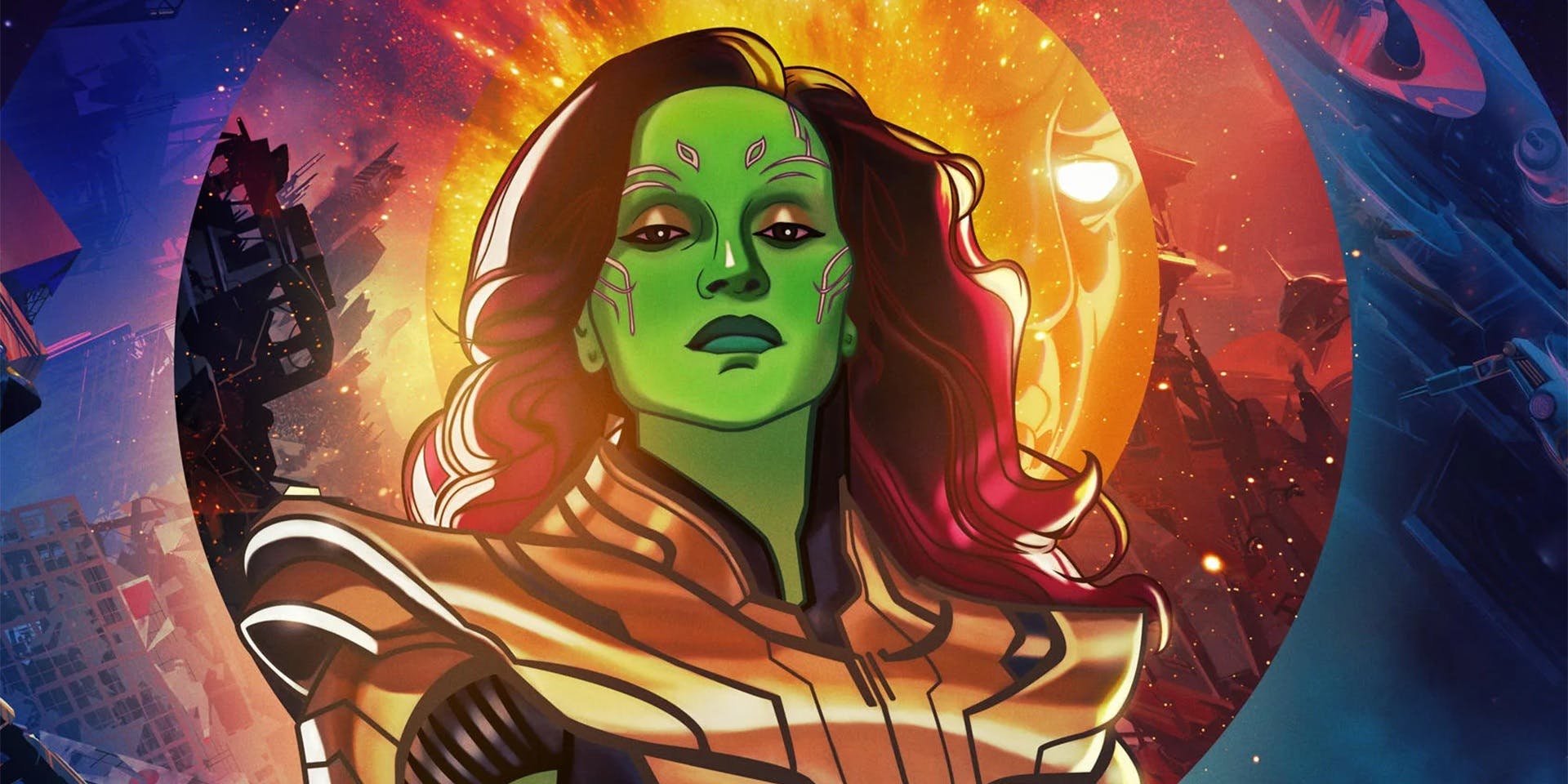
Zoe Saldana’s portrayal of Gamora in the Marvel Cinematic Universe (MCU) has had a significant impact on the overall tone and themes of the films. Gamora is one of the most complex and dynamic characters in the franchise, and Saldana’s portrayal has helped to bring that complexity to life.
One of the key themes in the film is the idea of finding family, and Gamora’s character arc is a central part of that theme. Her journey from a skilled assassin to a member of the Guardians of the Galaxy is a powerful representation of the theme. Saldana’s portrayal of Gamora’s emotional growth and the bonds she forms with the other characters is a key aspect of this theme.
Saldana’s portrayal of Gamora also adds a sense of vulnerability and humanity to the films. Gamora is a skilled warrior and a fierce fighter, but Saldana’s portrayal of her emotional struggles and vulnerability adds a layer of depth to the character. This helps to balance the film’s action and adventure with a sense of emotional realism.
Additionally, Saldana’s portrayal of Gamora has contributed to the films’ exploration of themes such as redemption and sacrifice. Gamora’s decision to sacrifice herself in the third film is a powerful moment that highlights the themes of selflessness and sacrifice, which is a key aspect of the film.
In conclusion, Zoe Saldana’s portrayal of Gamora has had a significant impact on the overall tone and themes of the Marvel Cinematic Universe. Her portrayal of the character’s emotional growth, vulnerability, and selflessness has added depth and complexity to the films and helped to explore key themes of the franchise.
The fan reactions to Saldana’s portrayal of Gamora
The portrayal of Gamora in the Marvel Cinematic Universe (MCU) by Zoe Saldana has received mixed reactions from fans. Some have praised her performance, praising her ability to capture the character’s complexity and emotional depth. Fans have also praised her portrayal of the character’s physicality and action scenes, which showcase Gamora’s strength and skill as a warrior.
However, some fans have criticized Saldana’s portrayal of Gamora. Some have felt that her performance lacked the emotional depth and complexity that the character has in the comics. Others have criticized the way the character was written in the films, and how it did not live up to the character’s potential.
Saldana’s casting has also been met with controversy for her playing the role of a green-skinned alien, when in fact, she is a woman of color. Some fans have felt that the role should have gone to an actress of the same ethnicity as the character. Saldana herself acknowledged this and apologized for the role, stating that she hopes to continue to be a part of stories that push for more representation in Hollywood.
Overall, while the reactions to Saldana’s portrayal of Gamora have been mixed, she has been able to bring a sense of depth and complexity to the character and her portrayal has been praised by many. Her casting and portrayal of Gamora is also a representation of Hollywood’s long-standing issue of underrepresentation of minorities and Saldana has acknowledged it and hopes to change that.
 Trending New Movies